Creating a cozy and inviting living room is more than just a design choice; it’s about cultivating a space where everyday moments unfold comfortably. In our busy lives, we often seek refuge in spaces that promote relaxation and connection. That’s why I’ve put together this collection of 12 home living room ideas that blend comfort with sustainability, perfect for anyone wanting to enhance their home environment without compromising the planet.
If you’re someone who values eco-friendly choices and desires a warm, inviting atmosphere, you’re in the right place. Whether you’re looking to refresh your existing space or starting from scratch, these ideas will resonate with your passion for cozy living room decor and modern styles. I’ve compiled practical tips that are budget-friendly and applicable to small spaces, ensuring everyone can enjoy a beautiful living room that feels just right.
Get ready to explore how you can transform your living room into a haven of comfort and style. From embracing natural fabrics to incorporating indoor plants, these suggestions will not only elevate the aesthetics of your space but will also contribute to a more sustainable lifestyle. Let’s dive into these ideas that promise to create a welcoming environment for you and your loved ones!
Key Takeaways
– Embrace Natural Fabrics: Use organic cotton, linen, or bamboo for a soft touch that’s also kind to the environment. These materials enhance comfort and reduce plastic waste.
– Upcycle Furniture: Give new life to old pieces by repainting or reupholstering them, making your living room unique and eco-conscious.
– Create Multifunctional Spaces: Design your living room to serve multiple purposes, like a workspace or guest area, which maximizes utility without overcrowding.
– Integrate Indoor Plants: Adding greenery not only beautifies your space but also improves air quality, promoting a healthier living environment.
– Focus on Comfort in Seating: Invest in comfortable sofas and chairs that invite relaxation, ensuring your living room is a perfect spot for unwinding after a long day.
1. Embrace Natural Fabrics
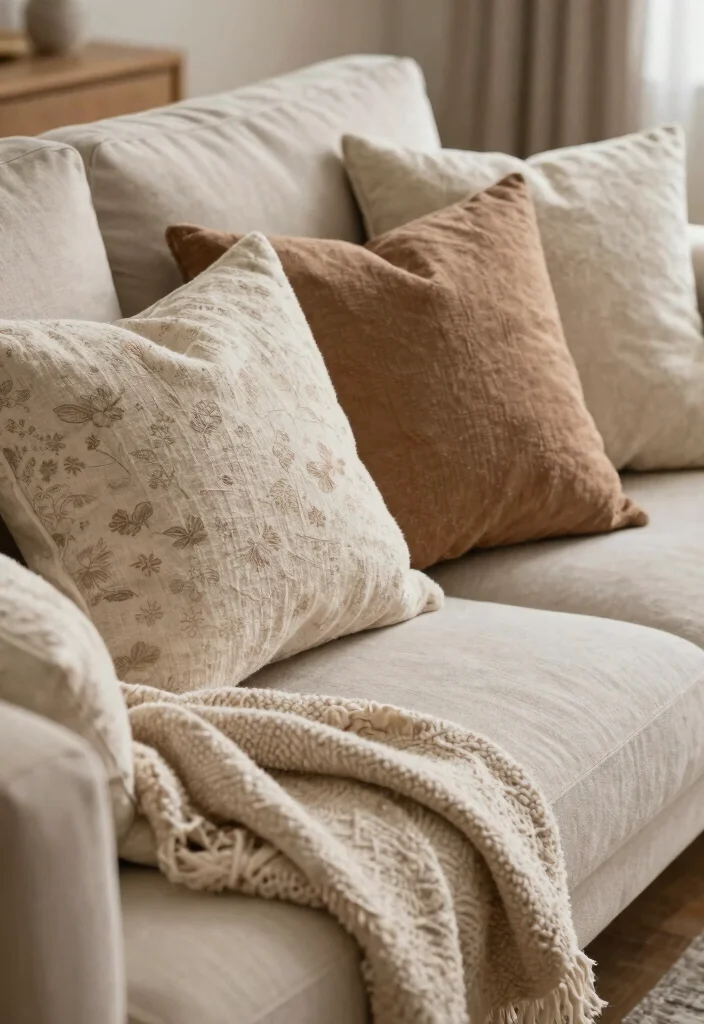
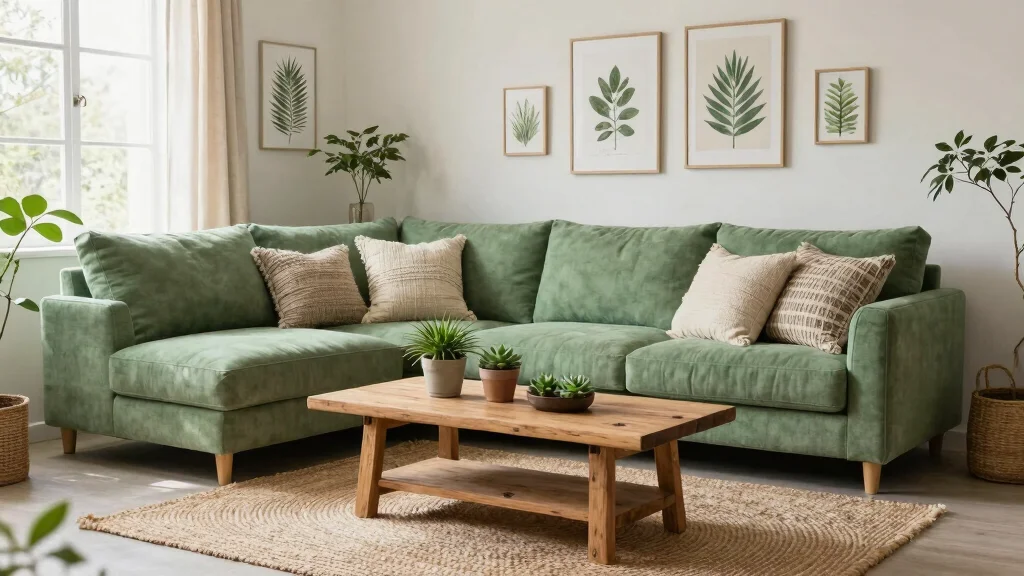
Natural fabrics, such as linen, cotton, and wool, create a warm and inviting atmosphere in your living room while promoting a sustainable lifestyle. The inherent qualities of these materials bring visual harmony and comfort, making your space feel more connected to nature. For example, a linen sofa paired with colorful cotton throw pillows can establish a balanced and cozy look, while wool accessories add texture and warmth to the decor.
To implement this design principle, seek out furniture and decor made from these natural materials. Consider organic or recycled fabrics to make environmentally friendly choices. You might also explore local artisans who can craft pieces that align with your aesthetic and values.
Consider these tips for incorporating natural fabrics:
– Choose upholstery made from natural fibers for comfort
– Mix textures for added depth
– Opt for cushions filled with down or natural materials
– Look for fabric patterns inspired by nature to enhance the theme.
This mindful choice not only elevates comfort but also contributes to a greener lifestyle.
Embrace Natural Fabrics
Editor’s Choice




How To Choose Sustainable Furniture for Your Living Room
When it comes to creating a comfortable and eco-friendly living room, selecting the right sustainable furniture is essential. The furniture you choose not only impacts the look and feel of your space but also the environment. Here are some key factors to consider when making your selections:
1. Material Matters
Look for furniture made from sustainable materials like reclaimed wood, bamboo, or recycled metal. These materials reduce waste and lessen the impact on forests and ecosystems. Check for certifications like FSC (Forest Stewardship Council) that ensure the wood is sourced responsibly.
2. Construction Quality
Inspect the craftsmanship of the furniture. Well-built pieces made with strong joints and durable finishes last longer, reducing the need for replacements. This means less waste and more savings in the long run. Look for drawers that slide smoothly and upholstery that feels sturdy.
3. Style Versatility
Opt for designs that can adapt to different styles or layouts. Versatile furniture arrangements help you transform your space without needing to buy new items. A classic sofa or a coffee table with a timeless design can fit into various themes, from modern to rustic.
4. Eco-Friendly Fabrics
When choosing upholstery, consider fabrics like organic cotton, hemp, or linen. These options are produced without harmful chemicals and are often biodegradable. Additionally, look for upholstery made from recycled materials, which helps keep waste out of landfills.
5. Evaluating Your Budget
Sustainable furniture can be an investment, but you can find budget-friendly options. Set a realistic budget and prioritize pieces that provide the best value for your needs. Don’t forget to consider the long-term cost savings from durable, eco-friendly furniture.
6. Local Sources
Whenever possible, buy from local artisans or manufacturers. This not only supports your community but also reduces transportation emissions. Local products often use regional materials, further decreasing their carbon footprint.
Pro Tip: Before making a purchase, try to get a feel for the furniture. Visit stores to see and test the pieces in person. This way, you can ensure the furniture meets your comfort and aesthetic needs while being sustainable!
Choosing sustainable furniture for your living room is about balancing style, comfort, and eco-consciousness. By focusing on these criteria, you can create a cozy living space that feels good and does good for the planet.
2. Upcycle Furniture
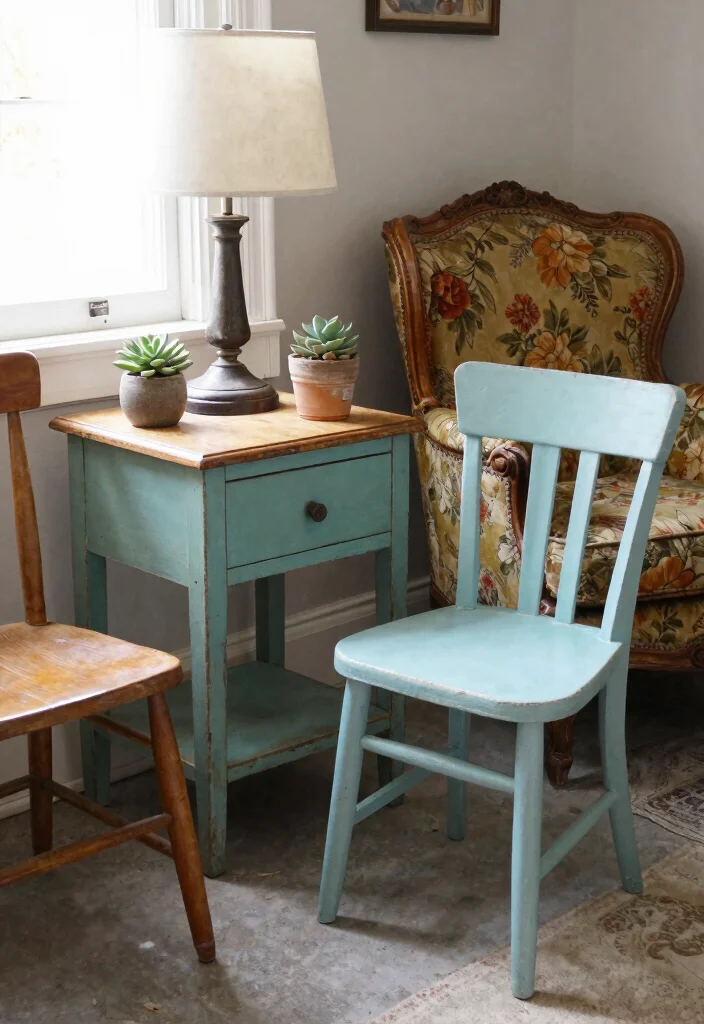
Upcycling furniture is a creative way to infuse your living room with unique charm while embracing sustainability. By giving new life to old pieces, you reduce waste and add personality to your space. Picture transforming a worn-out side table into a stylish nightstand with a splash of paint and new hardware.
To successfully upcycle, search for robust furniture at thrift stores or flea markets. Choose solid wood items that can withstand a makeover, and don’t shy away from vibrant colors or bold patterns to make a statement.
Here are some ideas to inspire your upcycling journey:
– Look for solid wood pieces to refurbish
– Choose eco-friendly paints for a fresh finish
– Combine different styles for a trendy eclectic look
– Don’t hesitate to experiment with bold colors!
Each upcycled piece not only tells a story but also contributes to a cozy and inviting living room.
Upcycle Furniture
Editor’s Choice




3. Create Multifunctional Spaces
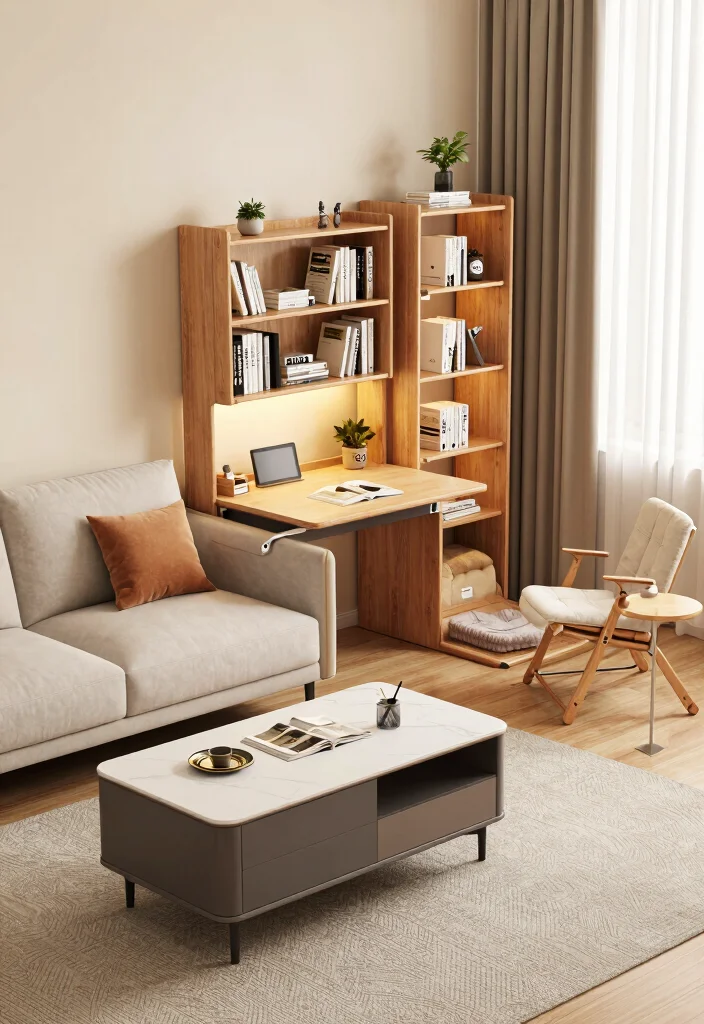
In compact living spaces, creating multifunctional areas is essential. Invest in furniture that serves more than one purpose, like a coffee table that doubles as a desk or an ottoman that provides storage. This practical approach maximizes your space and adds versatility to your decor. For instance, a sofa with a pull-out bed can accommodate guests without sacrificing style.
To achieve this, think creatively about how each piece can serve multiple functions. Consider using lightweight furniture for easy rearranging during gatherings, and always look for hidden storage opportunities to keep your area organized.
Here are some tips to maximize your space:
– Use nesting tables that tuck away easily
– Design a reading nook with a foldable chair
– Incorporate a sleek bookshelf that acts as a room divider
– Choose furniture with hidden storage to reduce clutter.
This approach ensures a clean and comfortable environment, perfect for everyday living.
Fun fact: multifunctional furniture can reclaim up to 25% more floor space in compact living rooms. A coffee table that doubles as a desk or an ottoman with storage makes home living room ideas feel calmer, more practical, and ready for guests.
Create Multifunctional Spaces
Editor’s Choice


4. Integrate Indoor Plants
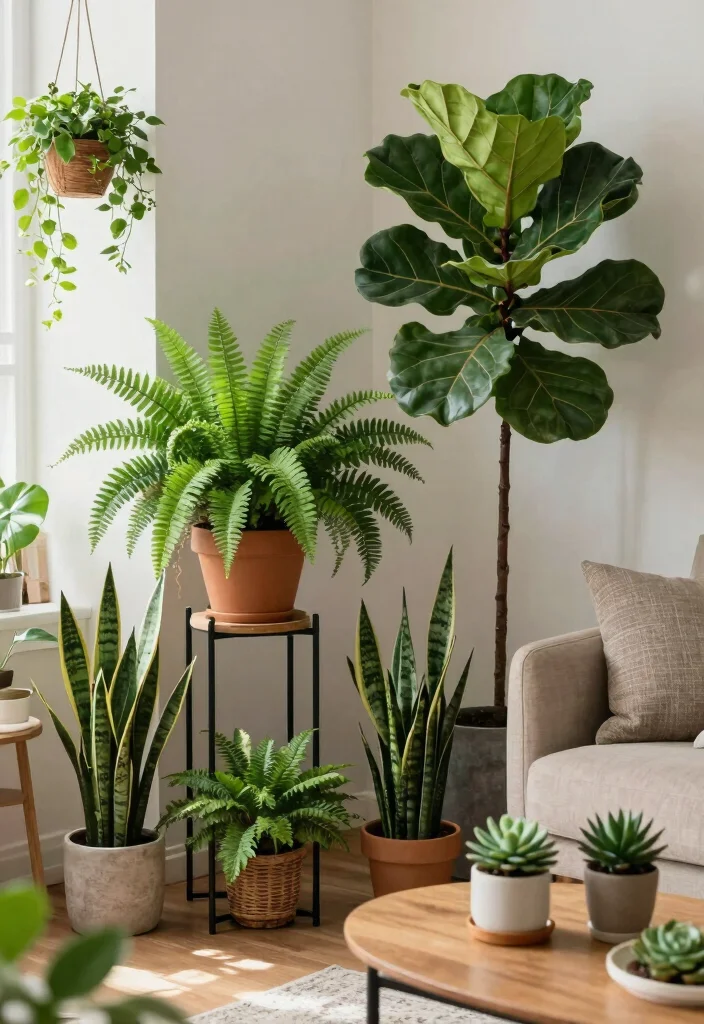
Indoor plants serve as lively decor and enhance air quality, creating a refreshing atmosphere in your living room. By incorporating greenery, you can transform a mundane space into a calming oasis. From low-maintenance succulents to striking fiddle leaf figs, there’s a plant for every style and space.
Mixing various sizes and textures can create an engaging display, while eco-friendly pots contribute to a sustainable look. Consider hanging planters or wall-mounted shelves to save floor space and add vertical interest.
Here are some tips for integrating plants:
– Choose plants suited for your room’s light availability
– Use self-watering pots for easy maintenance
– Group plants to create a focal point
– Consider seasonal blooms for color throughout the year.
Embracing greenery beautifies your living space and promotes a sense of well-being.
Integrate Indoor Plants
Editor’s Choice


5. Choose Earthy Color Palettes
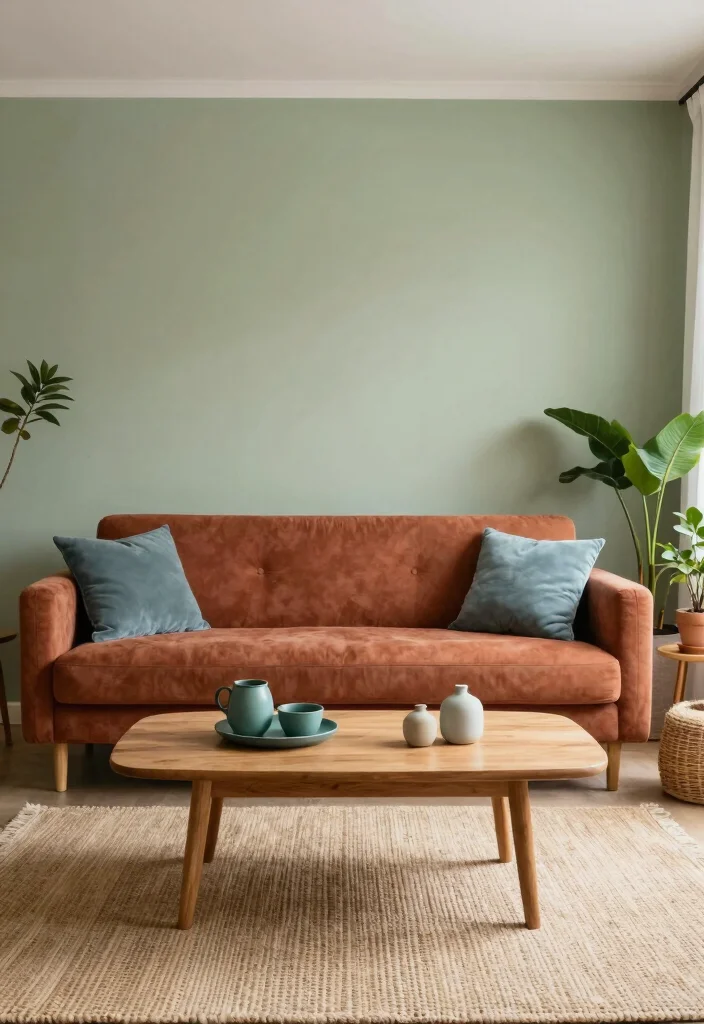
Earthy color palettes can significantly enhance the warmth of your living room. Shades like terracotta, sage, and muted blues evoke a sense of tranquility and comfort. These colors reflect nature, helping to create a peaceful environment within your home.
Incorporate these tones through paint, furniture, and accents like cushions and throws. Pairing these colors with natural wood finishes establishes a cohesive and inviting atmosphere.
To effectively utilize earthy colors, consider:
– Choosing one or two main colors as a focus
– Using lighter shades to open up small spaces
– Adding depth with darker accents in decor items
– Experimenting with patterned textiles that include your chosen palette.
A thoughtful color scheme can transform your living room into a serene refuge from the outside world.
6. Opt for Sustainable Lighting
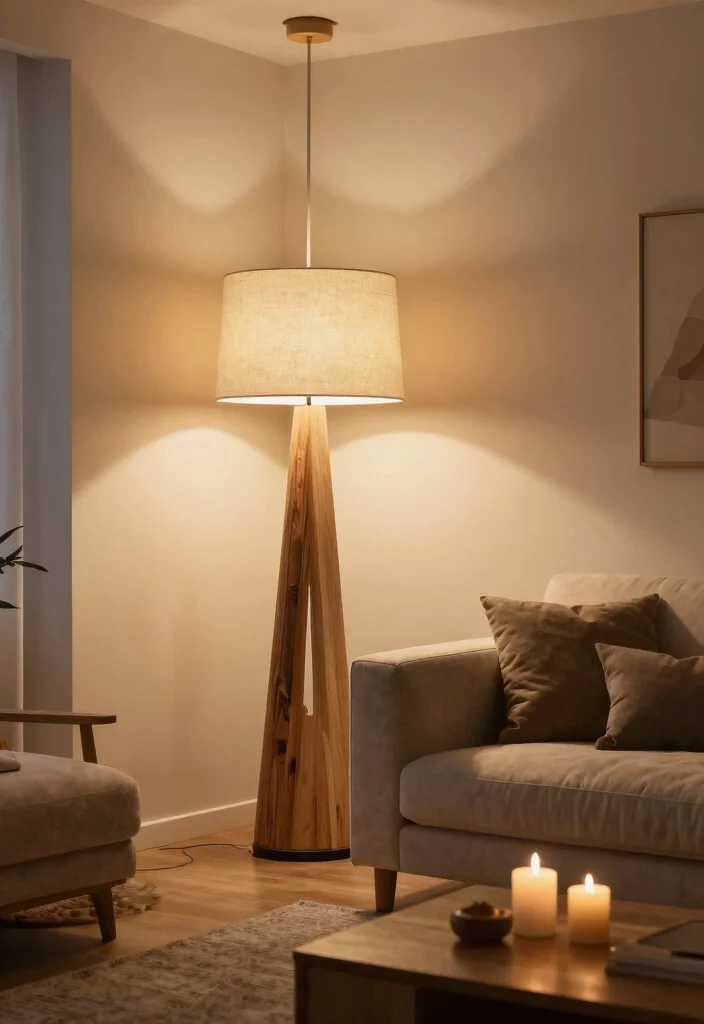
Lighting is crucial in shaping the atmosphere of your living room. Opt for sustainable options like LED bulbs for energy efficiency and fixtures made from recycled materials. Unique pendant lights or floor lamps crafted from responsibly sourced wood and metal can serve as stunning focal points.
Layering your lighting is essential; combine overhead lights with table lamps and accent lights to create a versatile environment. Dimmers can help you transition from bright and vibrant to warm and cozy.
Consider these lighting tips:
– Use solar-powered lights where possible
– Incorporate smart lighting systems for convenience
– Choose fixtures that match your decor style, from modern to rustic.
Thoughtful lighting choices enhance the overall aesthetic and contribute to a sustainable environment.
7. Personalize with Art
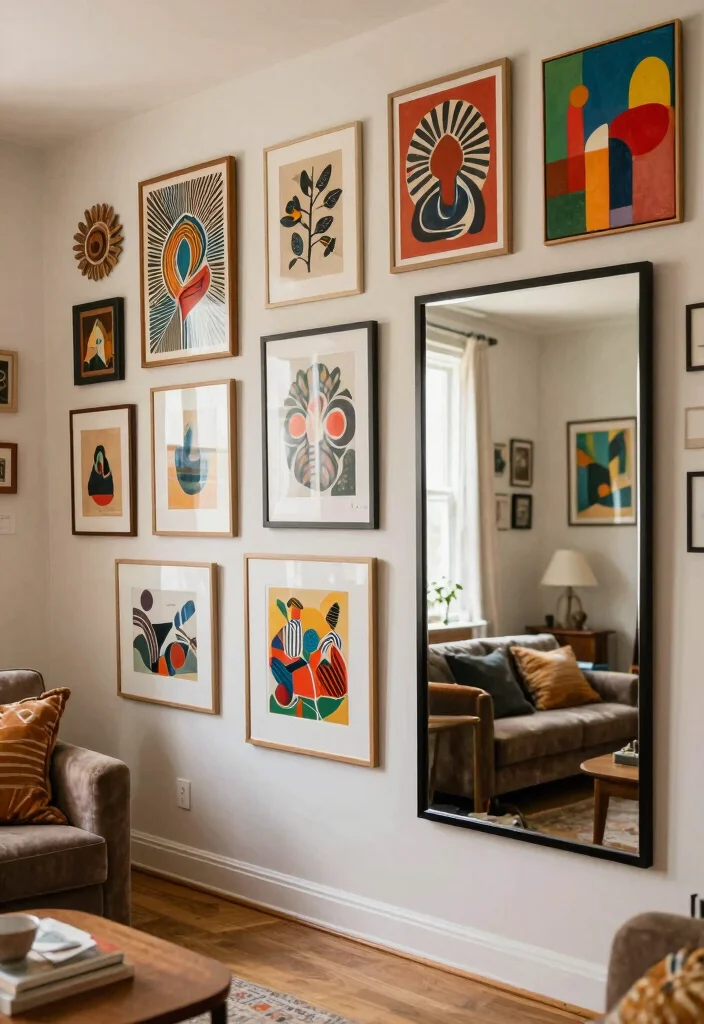
Art serves as a powerful expression of your personality, adding a unique touch to your living room. Opt for pieces created from sustainable materials or by local artists to support your community. Craft a gallery wall that reflects your interests, using a mix of frame styles and sizes for visual intrigue.
Consider artwork featuring nature themes or vibrant colors to complement your decor. If you’re on a budget, explore DIY art projects using recycled materials to create something meaningful.
Here are some ideas for displaying art:
– Hang art at eye level for maximum impact
– Rotate your art seasonally for a fresh feel
– Incorporate mirrors to enhance light and depth.
Personalized art allows your space to reflect your tastes while promoting sustainability.
Did you know that galleries with a mix of frame sizes boost visual interest by up to 40%? Personalize your home living room ideas with art made from sustainable materials or by local artists—it’s stylish, budget-friendly, and supports your community.
8. Choose Versatile Furniture Arrangements
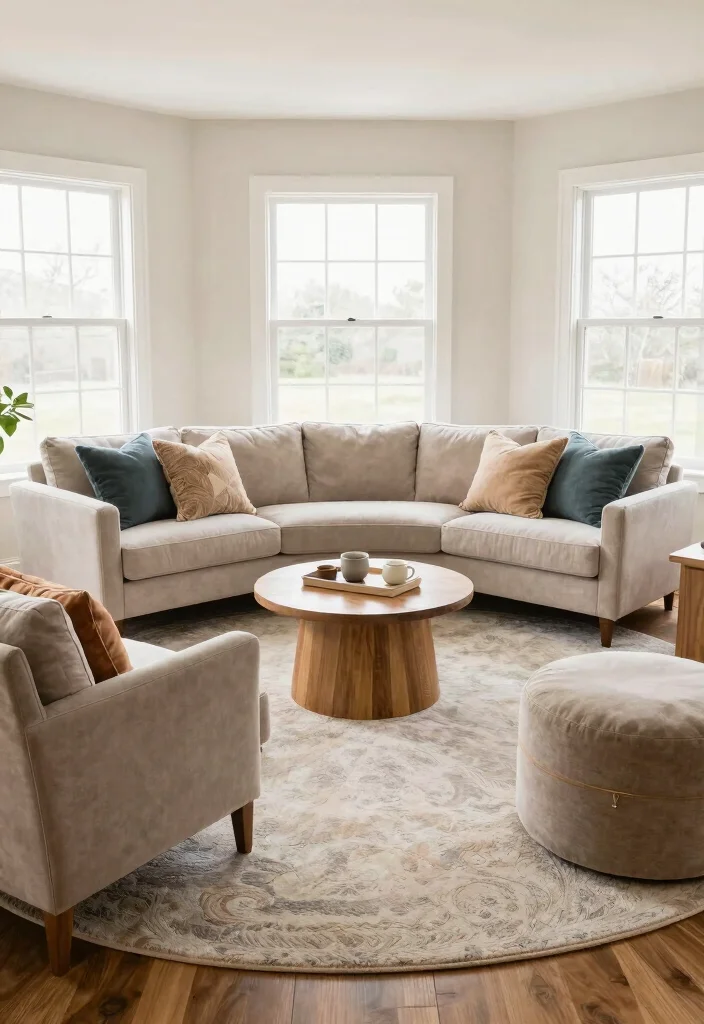
The arrangement of furniture in your living room greatly influences its comfort and coziness. Aim for layouts that encourage conversation and warmth, such as positioning sofas to face each other instead of the TV. Lightweight furniture can be easily moved for gatherings, promoting flexibility.
Using rugs can help define spaces, making your room feel more intimate and welcoming.
Consider these arrangement tips:
– Leave space for movement between furniture
– Arrange seating in a circular or semi-circular pattern
– Integrate smaller accent tables for flexibility
– Use poufs or ottomans that can be easily rearranged.
Thoughtful layouts create a warm, inviting environment where everyone feels at home.
9. Incorporate Vintage Finds

Vintage decor adds character and sustainability to your living room. Incorporating antique or vintage items reflects your personal style while promoting recycling and reusing materials. Look for unique pieces like a vintage coffee table, framed photos, or retro lamps that serve as conversation starters.
These treasures can often be sourced from local thrift stores, flea markets, or even family heirlooms, making them meaningful additions to your home.
Here are some tips for integrating vintage finds:
– Mix vintage items with modern decor for an eclectic look
– Choose one or two statement pieces to anchor the room
– Restore items when possible to maintain their charm.
This strategy creates a living room that feels loved and lived-in while being eco-conscious.
Vintage finds give your living room instant character and sustainability. Start small: hunt thrift stores for a standout coffee table, a retro lamp, or framed photos, then pair them with modern basics for a cozy, unique space you’ll actually reuse.
10. Incorporate Textural Elements
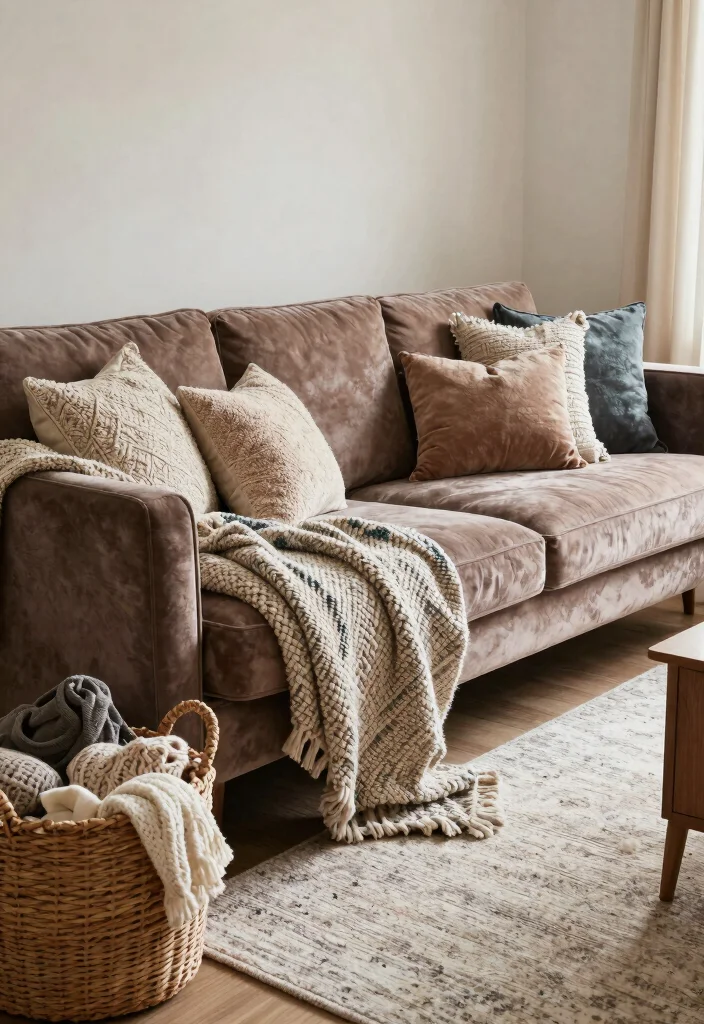
Textures play a vital role in adding depth and warmth to your living room. Layering different materials, like soft throw blankets, knitted poufs, and woven baskets, creates an inviting environment. The interplay of textures evokes feelings of comfort and enhances visual interest in the space.
Consider adding textiles such as velvet pillows, chunky knit throws, and rattan decor to elevate the overall look.
Here are some ways to enhance texture:
– Experiment with layering rugs for added comfort
– Use textured wall hangings to create a focal point
– Incorporate natural elements like wood and stone for balance.
This approach creates a cozy atmosphere and enhances the overall aesthetics of your living room.
Incorporate Textural Elements
Editor’s Choice


11. Focus on Comfort in Seating
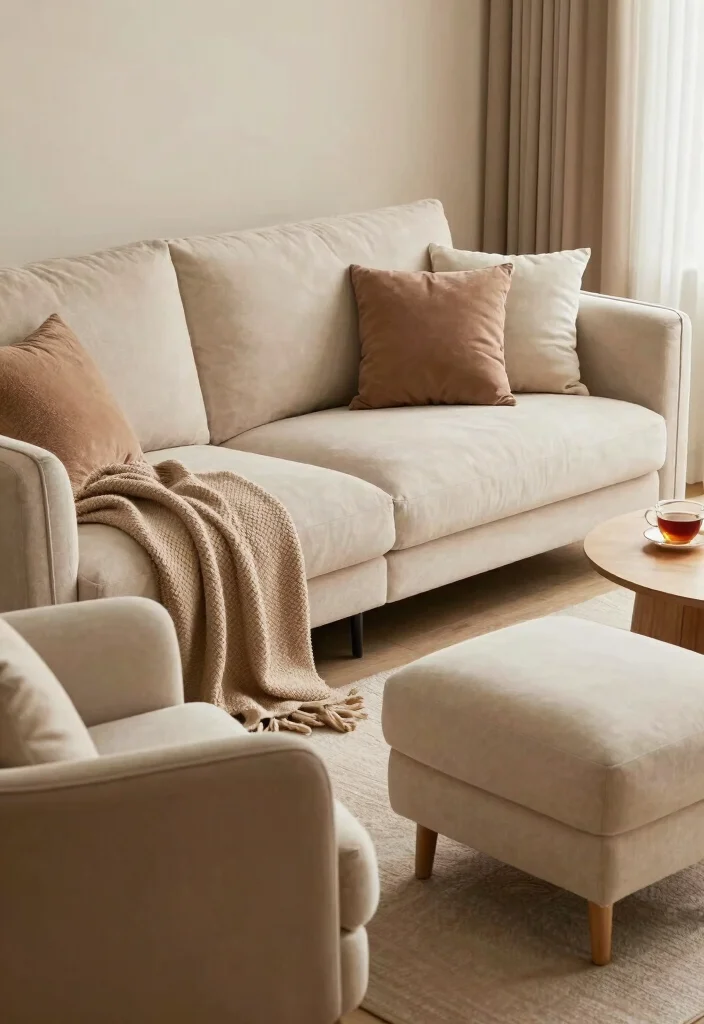
Comfort is key when selecting seating for your living room. Choose sofas and chairs that invite you to sink in and relax, opting for cushy designs and soft fabrics. Additionally, consider incorporating a chaise lounge or a hanging chair for a playful twist.
Layering cushions and throws can elevate comfort levels, making your living room the perfect spot for lounging and unwinding.
Here are some tips for comfortable seating:
– Test out furniture before buying to ensure comfort
– Choose soft, durable fabrics that can withstand daily use
– Incorporate armchairs with ottomans for extra relaxation.
Prioritizing comfort creates a welcoming environment that encourages you and your guests to linger.
12. Make Use of Creative Storage Solutions
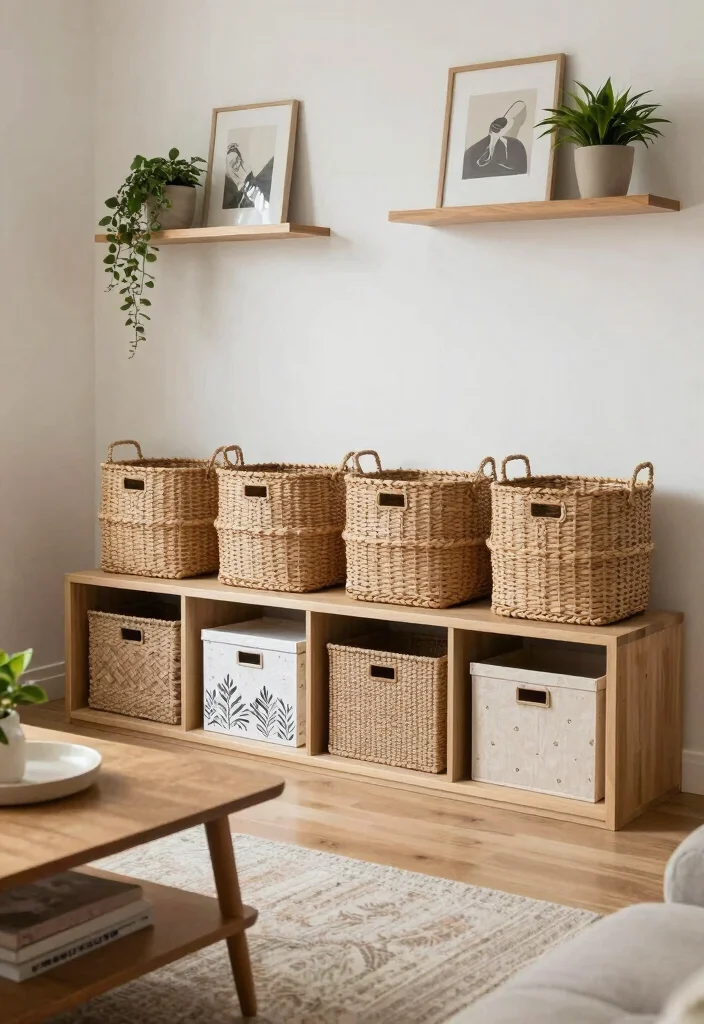
Keeping your living room organized can greatly enhance its coziness and functionality. Creative storage solutions, such as stylish baskets, built-in shelves, or decorative boxes, help maintain a clutter-free space. Look for options that blend seamlessly with your decor while keeping essentials accessible. Hidden storage in furniture, like coffee tables that open or benches that double as storage, is especially beneficial.
To optimize your storage:
– Group like-items in designated areas for easy access
– Use decorative trays to corral small items
– Incorporate floating shelves for added storage and display space.
A well-organized room allows for a serene and inviting atmosphere, making your living room a joy to relax in.
Conclusion
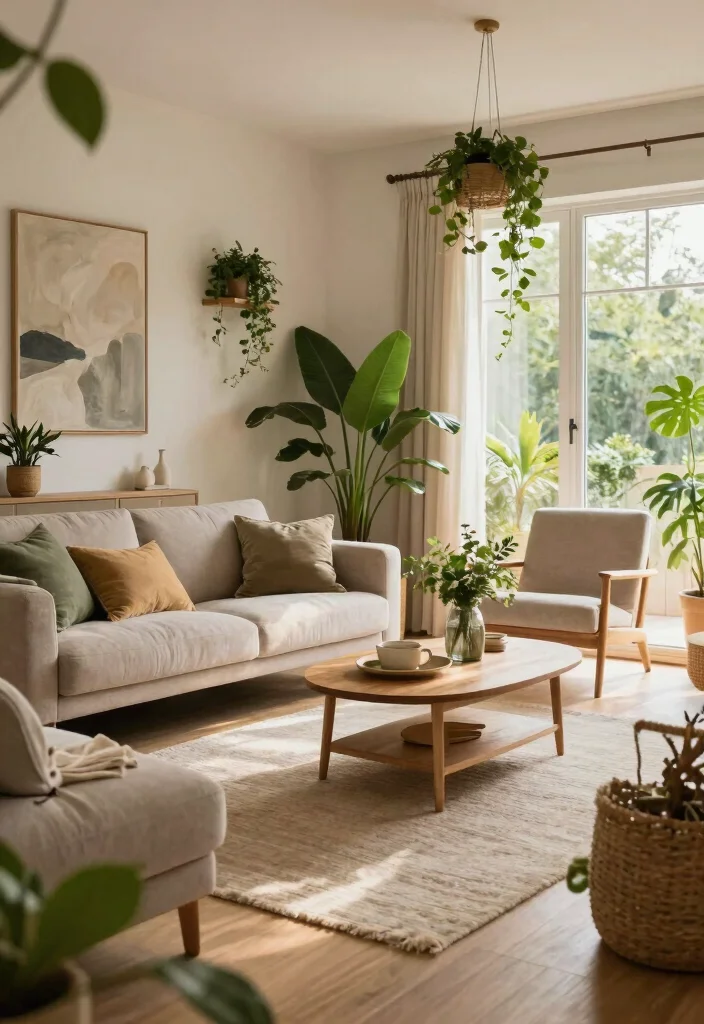
Transforming your living room into a cozy, comfortable space doesn’t have to be overwhelming. By embracing sustainable practices, you can decorate with intention and style. Each of these tips offers a unique approach to creating a living room that not only reflects your personality but also contributes to a healthier planet.
Whether you’re opting for versatile furniture, integrating greenery, or choosing natural materials, every choice makes a difference. Consider which ideas resonate with you and start designing your dream living room today!
Note: We aim to provide accurate product links, but some may occasionally expire or become unavailable. If this happens, please search directly on Amazon for the product or a suitable alternative.
This post contains Amazon affiliate links, meaning we may earn a small commission if you purchase through our links, at no extra cost to you.
Frequently Asked Questions
What are budget-friendly home living room ideas for sustainable decor?
Looking to refresh your space without breaking the budget? Try budget-friendly home decorating ideas that are kind to the planet. Reuse or refinish existing furniture, shop second-hand for key pieces, and switch to energy-efficient LED lighting.
Choose durable, natural fabrics like linen or cotton, and layer textiles to add warmth with less waste. Select a timeless color palette and add eco-friendly accents such as jute rugs or bamboo accessories to keep your home living room ideas fresh for years.
How can I create a cozy living room decor that’s sustainable?
Cozy and sustainable naturally go together. Start with cozy living room decor elements: soft throws, natural wool cushions, and a plush rug made from natural fibers. Let in daylight and use energy-efficient lighting to create warmth without waste.
Pick furniture with durability and classic style to avoid frequent replacements. Add live plants for ambiance and improved mood, and finish with low-impact finishes like solid wood or reclaimed materials.
What are versatile furniture arrangements for a small space living room?
For small spaces, focus on versatile furniture arrangements that maximize function. Choose a modular sofa or storage ottoman that doubles as seating and a coffee table.
Use wall-mounted shelves and a slim media console to keep floor space open. Create defined zones with area rugs without walls, and pick furniture with built-in storage to reduce clutter. Try layouts that preserve easy traffic flow—this is a key part of small space living room tips.
Which modern living room styles work well for sustainable home living rooms?
Several modern living room styles pair well with sustainability. Scandinavian and Japandi emphasize minimalism, natural materials, and light-filled spaces. Use reclaimed wood, cork flooring, and low-VOC paints to achieve the look ethically.
Choose multi-functional pieces to reduce clutter and environmental impact, and opt for textiles in muted, timeless tones to keep the space lasting.
How do I choose materials and colors for a sustainable home living room?
Start with a nature-inspired palette and pieces built to last. Prioritize home living room ideas that use earthy neutrals and durable fabrics like organic cotton, linen, or hemp.
Look for certified sustainable materials (FSC wood, GOTS fabrics) and low-VOC paints. Focus on quality over quantity so your furniture endures. Finally, bring warmth with natural textures and plants to complete a stylish, eco-friendly space.